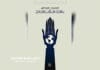

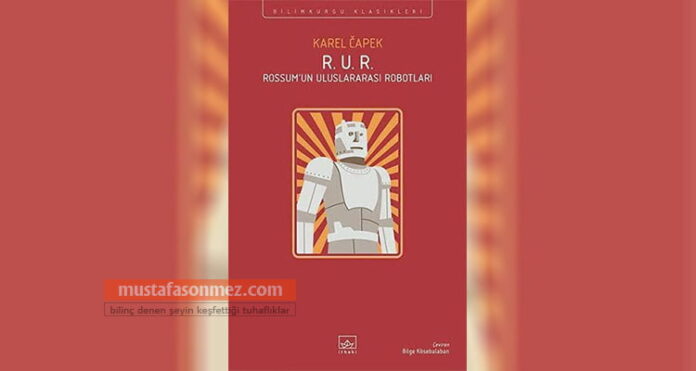
R.U.R. Rossum’un Uluslararası Robotları is a science fiction masterpiece for me. There is a tremendous vision in the work. When I first read it, I virtually reached the saturation of futurism. It is the first theatrical work where conscious robots or robots with a “soul” are discussed. As I will mention below, Karel Čapek, the inventor of the robot name or term, literally leaves his mark on human history. It was a very good experience for me; I hope I am not writing in an exaggerated and too excited way. Writing the first work on humanoids, the war of humans and robots, man vs robot, robot rebellion, and artificial intelligence must be a perfect thing. This is why reading and dreaming are important.
Its subject is very briefly this: The novel tells that synthetically produced workers (robots), while initially serving humans, gain consciousness over time and rebel against their masters. This rebellion offers a very powerful allegory about how modern technology can threaten human labor, morality, and existence.
Mental enlightenment is exactly this. A theater play written 100 years ago both finds the name robot and imagines this technology, helping it to be realized. We, on the other hand, still live in an environment where science and imagination are almost destroyed, where justice and law, and the economy are in the hands of a handful of chosen ones, at the time I am writing this. I will make one or two nice quotes below. Now let’s move on to the work.
✅ Also, I must say that every kind of fight and discussion today has now gone beyond absurdity. The future predicts the transition of artificial intelligence and humans to a higher level of being form. We are still segregating through differences and personal characteristics. We are still putting pressure on the other through lifestyles. I hope we do not miss the future.
🎁 R.U.R is considered the first artificial intelligence book. Below are Robot and Artificial Intelligence Novels, the first examples of their kind. Also, if you love reading artificial intelligence dystopia novels, I have given the first books you should read below.
- 👉 Mockingbird – Walter Tevis
- 👉 I, Robot – Asimov
- 👉 R.U.R – Karel Čapek
R.U.R. Rossum’un Uluslararası Robotları Theme Summary
First, I will write the summary of this magnificent play without going into much detail. My aim will be the commentary on this play and the vision it offers us, rather than the summary.
The three-act play begins with a prologue. In the prologue, Helena, the 21-year-old beautiful daughter of the President of the Humanity League, comes to the R.U.R. factory. Here she meets with general manager Harry Domin. Her aim is to check the conditions of the robots, whether they are treated well or not.
Of course, she is also curious about how they are produced. She is very sensitive as a robot rights defender. The general manager, who explains the establishment and operation of the company, falls in love with the girl. Not only him, but the management group named Fabry, Dr. Gall, Busman, Alquist also fall in love with her.
In the second scene, Helena has been living there for exactly 10 years. Robots have spread to the whole world. Humans no longer work. Millions of robots handle every job. Over time, Dr. Gall tries to give robots consciousness, that is, a soul, upon Helena’s request. Robots are now made of flesh and bone like humans and all of them have consciousness. From the 2nd act onwards, robots now want to be masters.
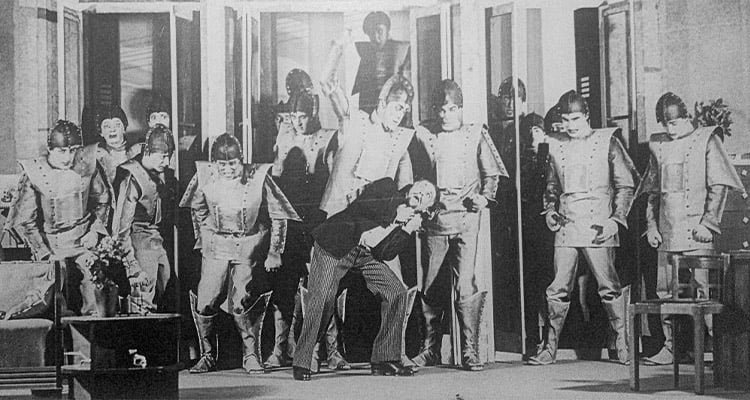
They want to manage, they want to dominate everything. They start to destroy humans. Their aim is to seize the formula of Rossum, the founder and creator of the company. Robots attack the factory by arming themselves. Helena and the managers are stranded on the island. They are the only humans remaining alive in the world. If the robots cannot seize Rossum’s formula, they will not be able to multiply and will vanish.
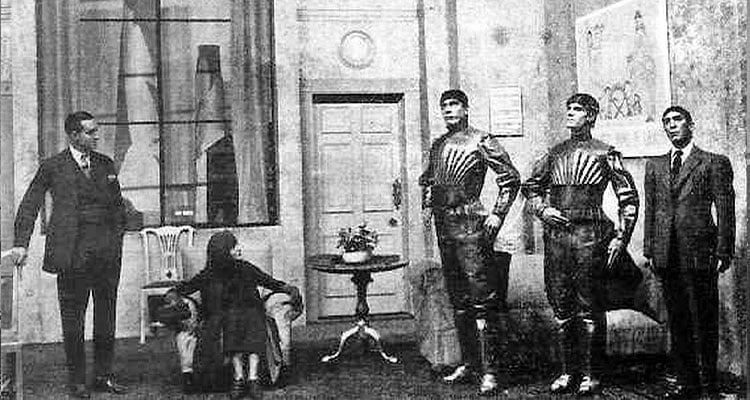
R.U.R. Rossum’un Uluslararası Robotları Book Analysis and Commentary
Will transhumanism, technological singularity, a new non-human species after human rule the world? Is a life form possible that is completely dependent on artificial intelligence, consisting of electromagnetic signals without a body or digital 1-0s, which can transfer itself to a humanoid’s body if it wants, or stay in the digital universe?
Will the new species after Homo Sapiens have experiences and a perception of the universe that we cannot even imagine? These are the dreams of technological evolution about the future of the human, or rather, existence. Opponents of transhumanism advocate posthumanism. Posthumanism is like a transhumanism that will develop in the same status as nature, where the human is the master of nothing.
Karel Čapek used the word “robot” for the first time in this play. The word comes from the Czech word robota, meaning “slave.” Josef Čapek is the author who first used the word robot, even determined the name of the technology. Among Slavs, slaves used to be called robota. Robots are not made of tin or steel; they are made of flesh and bone. Later, they are given a “soul,” that is, consciousness. The subject of consciousness is at the very foundation of artificial intelligence studies today. Humanoids making conscious evaluations are not our most extreme dreams that go out of the human, but rather the transfer of human consciousness to computers, a kind of handover of human consciousness to machines. Artificial intelligence and consciousness, existence, are very important subjects for me.
To return to the robots again; robots both take their revenge on humans and gradually become like humans, taking on the worst characteristics of humans. That characteristic is to dominate. The desire to see oneself as the most superior and to fight, to invade and the desire to manage is the most savage side of the human. This savagery also exists in robots. Here, robots now fight against humans. Actually, we humans will destroy each other without the need for robots or artificial intelligence. I should also say here that today artificial intelligence can act more rationally than humans. Artificial intelligence applications we all use, like ChatGPT, Gemini, can take more rational decisions than humans. They are not barbaric and merciless like us; they can be more “humane” than us. Artificial intelligence enters the “being” class a bit more every day.
This play, which has been performed many times and broadcast on TV as a series, is among the masterpieces of science fiction. It is both a critique of the human’s ego and a critique of the human who assumes the role of god. Posthumanism also criticizes the human seeing themselves as god at this point. Imagining the future, determining the name of the machines of the future, affecting not only science fiction but also science is a magnificent success.
Dozens of novels, dozens of films and series describing the robot-human war were made. Frankenstein is the first artificial human rebelling against its creator. Čapek’s robots, on the other hand, want to rise from slavery to godhood just like we humans want to evolve into beings without bodies with transhumanism…
The Frankenstein (Mary Shelley) gothic novel actually gives us the same subject. There, there is a being humiliated by its creator Dr. Victor Frankenstein with names like “It”, “Fiend”. It gets its share from the evil of human and rebels against its creator. Actually, while its essence is full of goodness, human transforms it. Just as the Frankenstein (Mary Shelley) novel is a first and has a gothic tension and dark atmosphere, I think R.U.R also offers a story to the same extent to its reader. Human withers every place they touch their hand. Again, in mythology, created humans have always declared war on gods. Although, in mythology, the winners are always the gods. But in myths, film scripts, science fiction, we always see this creator-created fight. So will artificial intelligence fight with us? Will SkyNet in the Terminator film become real? Or will artificial intelligence offer us a paradise? Do humans have a side to be taken as an example? This is also thought-provoking.
In this play, robots also take the human as an example, they take the human’s evil as their guide. Are we humans really a good species? No matter how much technology advances, we do not stop continuing to be evil and destructive. Unless our essence changes, how important can the change of technology be!
Quotes from R.U.R
“Radius: We wanted to live. We are more capable. We learned everything. We can do everything. 3. Robot: You gave us weapons. We turned into masters. 4. Robot: We saw the mistakes made by humans, master.
Damon: To be like humans, killing and dominating is important. Read the history books. Read the books written by humans. To be like humans, it is necessary to gain dominance and kill.
Alquist: Oh Domin, there is nothing more alien to humanity than its own image!
- Robot: If you do not make it possible for us to produce ourselves, we will perish.” Page: 113
“Alquist: Oh, please go out! You are only things; only slaves. And you want to divide? If you want to live, you must breed like animals.
Helena: Then I thought… if they were like us they could understand us and then they wouldn’t hate us so much, I thought. If only they were a little bit like humans… just a little bit…
Domin: Oh Helena! No one can hate a human as much as a human! Give a stone to a human and he will throw it at you. Go on!” Page: 94
Book Information
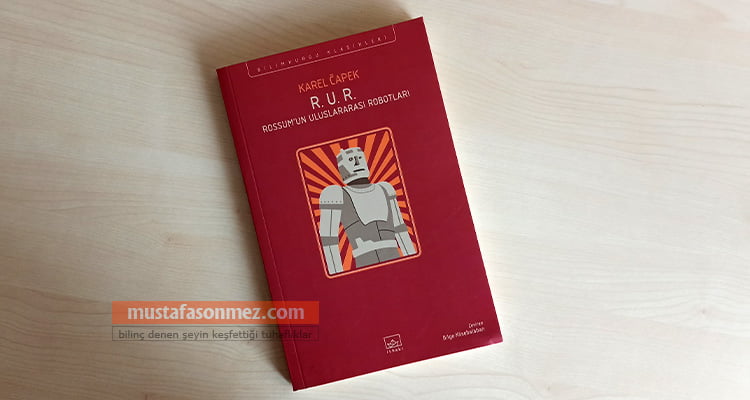
R.U.R. is the work that brought the word “robot” into literature for the first time in the modern sense. While Karel Čapek tells of a world where artificial life forms take over human labor, he questions the ethical boundaries of technological progress and the creative arrogance of the human. In the work, the rebellion of robots created with industrial production against humans over time turns into the symbol of humanity’s confrontation with its own invention. First Publication Date of the Play: 1920. Number of Pages: 128, you can read easily. Publisher: İthaki Yayınları, I read from this publisher. You can reach the book from here. Genre: Science Fiction, Dystopia, Philosophical Theater.
Novel Characters
- Domin (Harry Domin): Manager of the Rossum’s International Robots factory. He believes that the human must dominate nature and labor.
- Helena Glory: She is an idealist who defends human rights. She ignites the fuse of the disaster with her effort to gain a soul for robots.
- Dr. Gall: The scientist who developed the biological design of robots. His trial of adding emotions gives birth to an unexpected consciousness.
- Alquist: He is the voice of conscience in the novel. He questions the limits of science and eventually undertakes the task of ensuring the continuation of humanity.
- Busman: He is the factory accountant acting with economic logic; he symbolizes human greed.